Honolulu County, HI
Pest Control in Iroquois Point
A large share of Iroquois Point is attached housing, and that changes the question from which house to whose block. A shared wall carries pipe runs and joist bays from one address to the next, so what is treated on one side often simply moves to the other.
(844) 578-3029Licensed Hawaii technicians. No obligation for the call.
This is why timing matters more here than anywhere: treating one house of a row can push a colony sideways rather than remove it, and it returns through the same wall a few weeks later.
Worth saying to the neighbors before booking. A technician who knows both sides are being handled treats the shared wall differently, and the job holds instead of moving.
Most homes here are rented, which puts a step before the work: in most states a landlord carries the cost where the problem is structural rather than the tenant’s doing. A written inspection is what settles that argument, and it is worth having before the argument starts.
What are you dealing with?
Each of these has its own season in Iroquois Point, and the season decides what a treatment has to do. Pick the one you are seeing.
-
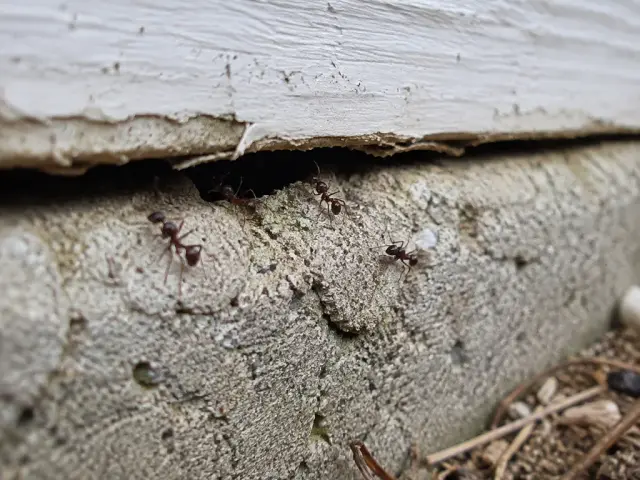 General Pest Control in Iroquois Point
 -
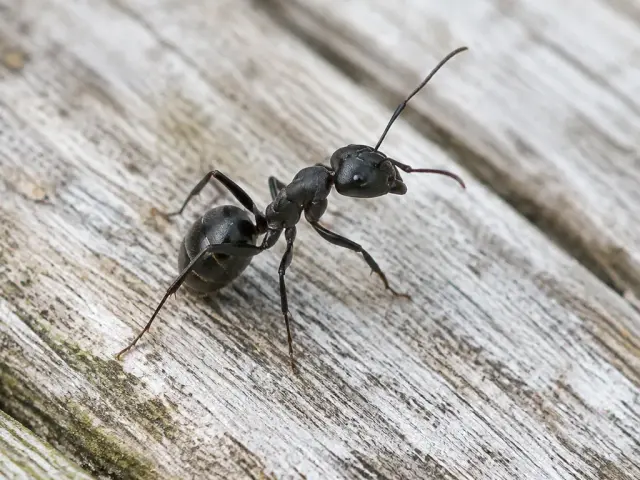 Ant Control in Iroquois Point
 -
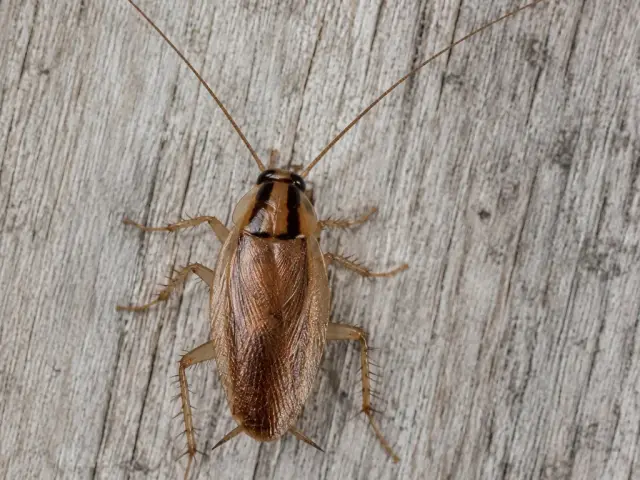 Cockroach Control in Iroquois Point
 -
 Rodent Control in Iroquois Point
 -
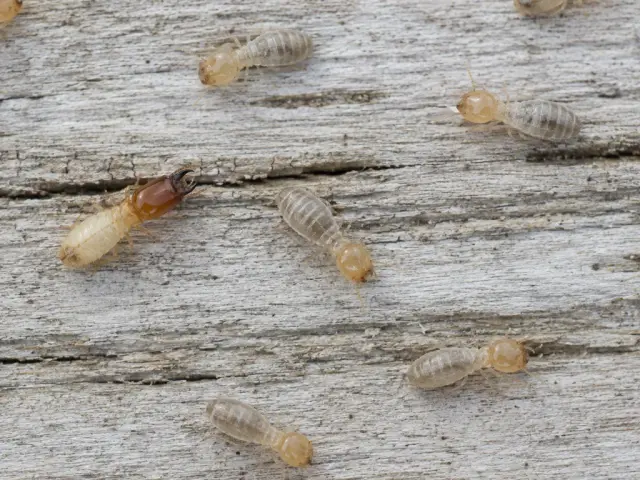 Termite Control in Iroquois Point
 -
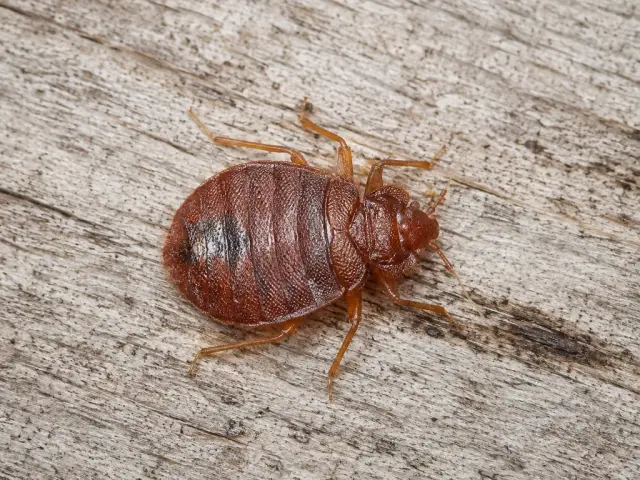 Bed Bug Removal in Iroquois Point
 -
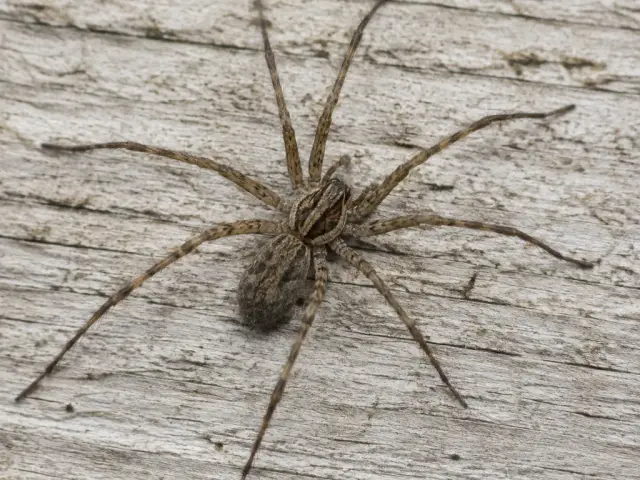 Spider Control in Iroquois Point
 -
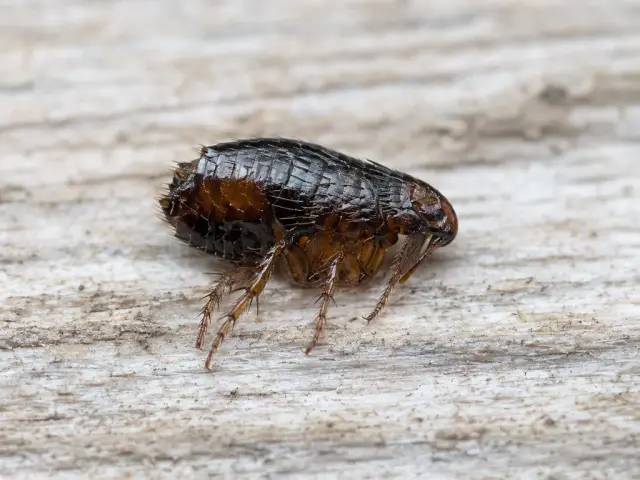 Flea Control in Iroquois Point
 -
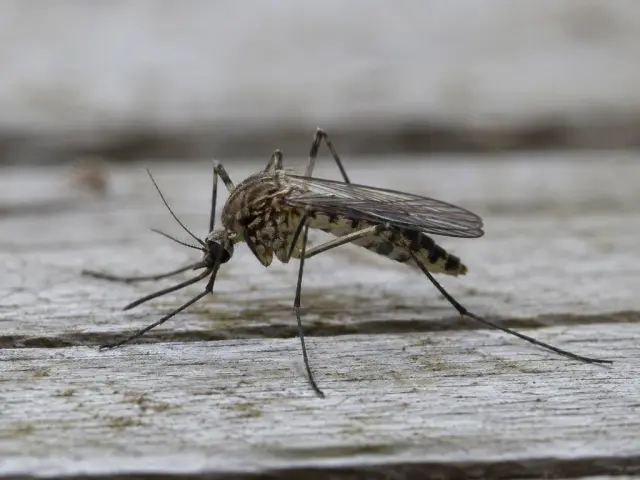 Mosquito Control in Iroquois Point
- License
- Held by the contractor and issued in Hawaii. Ask which name it is held under — a trading name and the licensed entity are often not the same.
- Price
- Quoted before the work starts, not after. If a technician cannot say what the visit will cost before beginning, that is the moment to stop.
- The call
- Describing what you found commits you to nothing. Nothing is booked until you say so.
- Coverage
- By town, not by region. Iroquois Point and the towns around it.
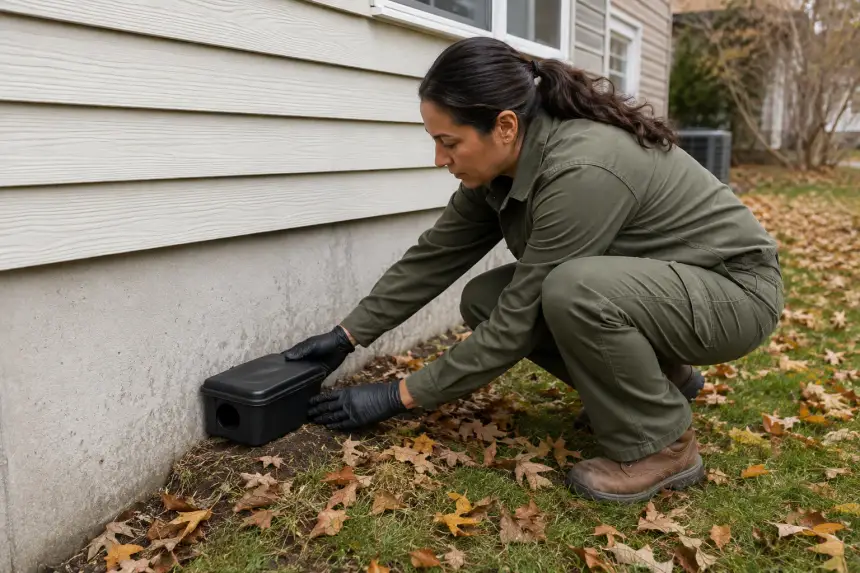
Describing it on the phone costs nothing
Nothing is booked until you say so. What a technician needs first is where you are seeing them, how long it has been going on, and whether anything has already been sprayed — that last one changes the approach more than anything else you can tell them.